

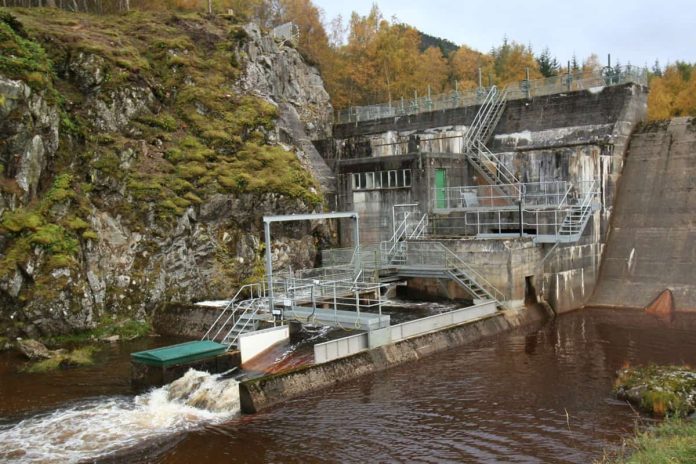
Spey dam criticised over aluminium production and salmon impacts.
Concerns over the environmental impact of aluminium production linked to Scotland’s River Spey have been raised in a letter to The Guardian, with implications for wild salmon conservation and sustainability claims tied to downstream industries.
Writing in response to an article on aluminium whisky bottles, Charlie Whelan, a member of the Spey Fishery Board, argued that aluminium produced at Fort William and powered in part by hydroelectric generation from the Spey dam cannot be considered environmentally benign.
Whelan cited an independent report by environmental consultancy Envirocentre, commissioned by the Spey Fishery Board, which found that the River Spey is under pressure from over-abstraction. According to the report, the dam accounts for around 66 percent of total water abstraction from the river.
The letter also said the dam acts as a barrier to migratory fish, including Atlantic salmon, which are now classified as endangered in Scotland. Whelan noted that these concerns underpin the “Release the Spey” campaign, which has called on the Scottish Government to remove the dam.
While the letter focused on the environmental credentials of aluminium packaging for whisky, it highlights broader tensions between renewable energy infrastructure, industrial use of water resources and the protection of key salmon rivers.
The River Spey is regarded as one of Scotland’s most important wild salmon systems and underpins both angling tourism and wider rural economic activity. The debate adds to ongoing scrutiny of how energy, industrial policy and sustainability claims intersect with salmon conservation.
The letter was published in The Guardian on 15 January 2026.