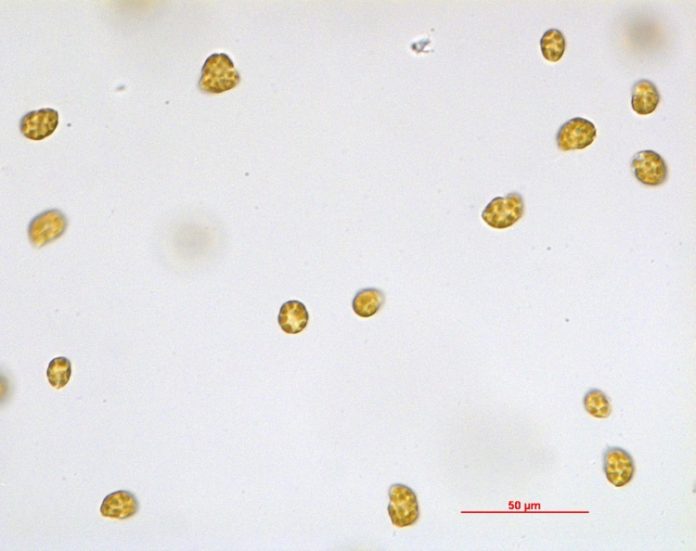
Elevated concentrations of the harmful microalga Heterosigma akashiwo have been detected in new aquaculture areas in southern Chile, according to monitoring data cited by Fabiola Villanueva, CEO of algal monitoring firm FAN SpA.
Water samples collected from salmon farming sites in the Los Lagos region since January show concentrations exceeding 7,000 cells per millilitre in some locations within aquaculture concession sectors (ACS) 1 and 2.
The species has historically been associated with blooms further south, including events in the Comau Fjord that caused significant salmon mortality in 1988 and 2021. Its appearance in these northern sectors represents a new development for the region.
Villanueva said the microalga is considered a risk species for salmon farming due to its production of ichthyotoxic compounds that can damage fish gills and lead to mortality under favourable environmental conditions.
The bloom has been detected following earlier increases in diatom concentrations in the area. Environmental factors such as temperature, light and water mixing are thought to influence its proliferation.
According to Villanueva, it remains unclear how long the bloom may persist, though similar events have historically lasted from several days to a few weeks.