

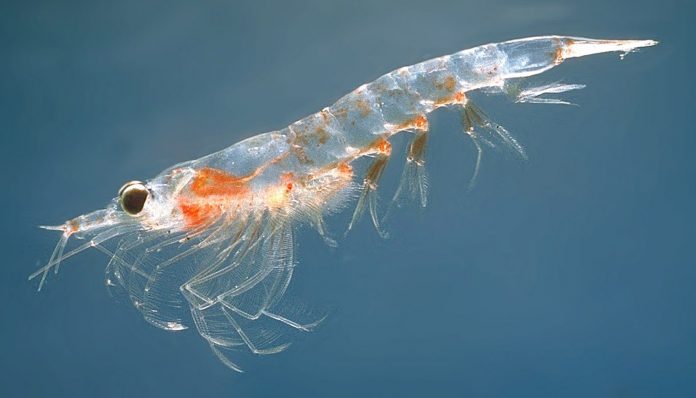
Krill oil may offer greater nutritional benefits than soybean lecithin in feed for young Atlantic salmon, according to a new Chinese study examining how different phospholipid sources affect growth and fat metabolism in fry.
The study, published in May in the journal Animals, comes as China attempts to expand domestic Atlantic salmon production to reduce reliance on imports. Researchers from Ocean University of China said demand for salmon in China has risen sharply in recent years, while local production remains limited.
Phospholipids are fats used in salmon diets to help young fish absorb and transport nutrients during early development. Soy lecithin is widely used in aquafeed because it is relatively cheap and widely available, while krill oil products are generally more expensive but contain higher levels of marine omega-3 fatty acids.
The 56-day trial tested feeds containing different levels of soybean lecithin or krill oil phospholipids in Atlantic salmon fry.
Both ingredients improved growth and feed efficiency compared to the control diet, according to the researchers. Fish receiving the phospholipid-enriched feeds also showed lower fat accumulation and stronger antioxidant activity.
However, krill oil phospholipids produced stronger changes in the fishes’ fatty acid profile, particularly by increasing EPA, one of the key omega-3 fatty acids valued in salmon.
Krill oil diets also triggered stronger changes in liver metabolism linked to fat processing and immune-related functions, according to the paper. Soy lecithin, by comparison, had relatively little effect on the overall fatty acid profile.
The researchers found no major differences in gut bacteria between the different diet groups.
The paper concluded that both soybean lecithin and krill oil phospholipids could be effective phospholipid sources for Atlantic salmon fry diets, although krill oil may offer additional benefits linked to omega-3 deposition and lipid metabolism.
The authors noted that the trial was relatively short and said longer-term studies would be needed to determine whether the metabolic effects observed translate into commercial production advantages.