

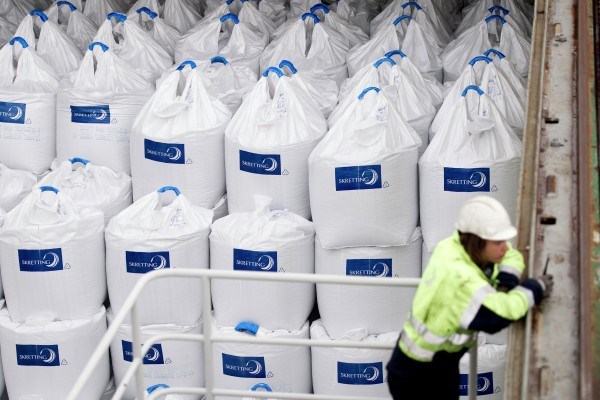
Skretting has published its 2025 Impact Report, outlining progress on emissions reductions, ingredient sourcing and recyclable packaging, while also highlighting a series of operational and nutritional projects across its global aquafeed business.
The feed producer, part of Nutreco, said it had reduced scope 1 and 2 emissions by 40% from a 2018 baseline, while scope 3 emissions were down 5%. The company also said 88% of its marine ingredients were either certified or sourced from fisheries involved in fishery improvement projects.
Skretting said 97% of its global soy purchases now meet its interim deforestation-free sourcing target, while 96% of packaging was classified as easily recyclable. Women accounted for more than 30% of leadership positions globally, according to the report.
The company used the report to outline a range of technology and product initiatives launched during the year, including new feed additives branded as EDGEOS PhytoComplexes, developed alongside Nutreco Exploration. Skretting said the plant-based extracts were designed to improve animal health and performance while using relatively low inclusion levels.
Operational upgrades included replacing a gas boiler with an electric boiler system at its Tasmania plant and installing photovoltaic panels at its Italian facility. The company also expanded the capabilities of its SKAILA footprint tool, allowing customers to analyse emissions data at individual feed and product level.
In China, Skretting said an automated shrimp feeding pilot project in Bohai Bay improved biomass growth while maintaining stable water quality, though it did not provide quantitative performance data.
The report comes as aquafeed producers face growing scrutiny over emissions, raw material sourcing and the environmental footprint of aquaculture supply chains. Companies across the sector are increasingly using sustainability reporting to support customer disclosures and ESG-linked financing efforts.
Skretting produces more than three million tonnes of feed annually for over 60 aquaculture species, with manufacturing operations in 18 countries.