

Sustainable Markets Initiative launches ocean stewardship push linked to fisheries management.
The Sustainable Markets Initiative has launched a new Ocean Stewardship Initiative aimed at translating global ocean protection commitments into practical action, with implications for fisheries governance and feed supply chains relevant to the salmon farming sector.
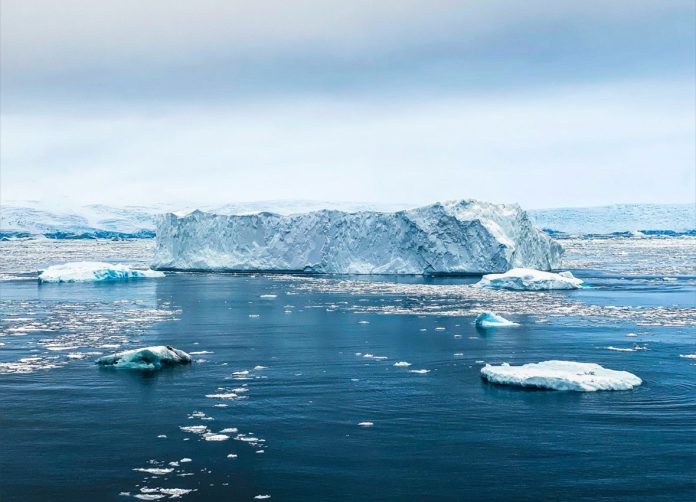
The initiative was announced as the new High Seas Treaty entered into force and is designed to provide a structured platform for private sector engagement with governments and civil society. Its first objective is to support the establishment of a large-scale Marine Protected Area (MPA) in Antarctica alongside a science-based fisheries management framework.
The initial delivery track builds on long-running work under the Commission for the Conservation of Antarctic Marine Living Resources to designate an MPA covering around 70% of the Antarctic Peninsula. The proposal would be paired with updated krill fishery management measures intended to improve ecosystem monitoring and distribute fishing activity in areas remaining open to regulated fisheries.
Krill is an increasingly important key raw material for salmon feed, and the initiative has been developed in partnership with Aker BioMarine and Aker QRILL Company, with advisory input from the Marine Stewardship Council.
If approved by CCAMLR, the proposed MPA, put forward by Argentina and Chile, would cover close to half a million square kilometres of the Southern Ocean and increase the proportion of the Antarctic region under protection by up to 15%. The Sustainable Markets Initiative said this would contribute materially to the global target of protecting 30% of the ocean by 2030.
Jennifer Jordan-Saifi, chief executive of the Sustainable Markets Initiative, said: “Governments set the rules, but delivery depends on capital, companies and supply chains moving in the same direction with a default sustainable mindset.”
Matts Johansen, chief executive of Aker BioMarine and chair of Aker QRILL Company, said industry engagement would be critical: “The real question is whether industry chooses to engage constructively, and be part of the solution, or remain on the sidelines while the rules are shaped without its involvement.”
The initiative aims to use Antarctica as a test case to develop a transferable framework for private-sector involvement in marine protected areas and fisheries management in other regions, including those linked to aquaculture feed supply and wild fisheries management.