

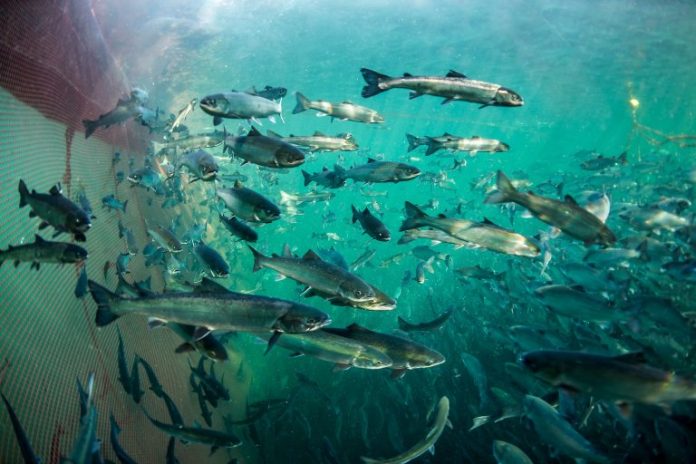
Antimicrobial use in Chilean freshwater salmon farming fell 34.1% in 2025, with La Araucanía region alone reducing consumption by 70%, according to Chile’s National Fisheries Service, Sernapesca.
The overall national ICA index — which tracks antimicrobial use relative to biomass — rose 5.88%, driven by higher salmon biomass produced during the year. The freshwater reduction offsets part of that increase.
The Los Lagos and Los Ríos regions account for 71.89% of freshwater antimicrobial use. Los Lagos carries the highest volume due to its concentration of hatcheries. Los Ríos use is linked primarily to immersion treatments for Flavobacteriosis control, Sernapesca said.
Atlantic salmon recorded the highest antimicrobial use by species, ahead of coho and rainbow trout — a result Sernapesca directly attributes to relative production volumes. Chinook salmon represents a single farming site.
Flavobacteriosis and bacterial kidney disease (BKD, or renibacteriosis) together account for 77.61% of all antimicrobial use in the freshwater phase.
Oxytetracycline is the most used active compound, followed by florfenicol. The two together represent 99.78% of total freshwater antimicrobial use. Doxycycline appears only in isolated treatments, according to Sernapesca.
The 34% reduction in freshwater use is a measurable step in Chile’s ongoing effort to lower antibiotic dependency at the hatchery stage. Whether the trend extends into seawater phases — where disease pressure is typically higher — will determine its broader significance for the industry’s sustainability credentials.