

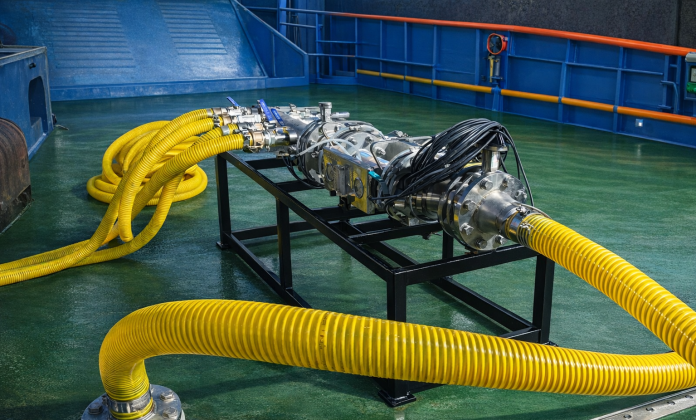
Moleaer, Semarco target lower seabed remediation costs in Chile
US-based nanobubble technology firm Moleaer has partnered with Chilean marine services company Semarco to deploy oxygenation systems aimed at reducing the cost and duration of seabed remediation in the country’s salmon farming sector.
The companies said early field deployments indicate remediation timelines could be shortened by 20–30% compared with conventional methods, by increasing oxygen availability in sediments beneath farming sites and accelerating the breakdown of organic material.
Seabed remediation is a regulatory requirement in Chile, where benthic conditions under cages are closely monitored. Sites that fail environmental thresholds must be fallowed or treated, making remediation a significant operational cost for producers.
Semarco, which is authorised by Chile’s fisheries regulator Subpesca to carry out remediation work, will lead local deployment. The company operates across the main salmon farming regions of Los Lagos, Aysén and Magallanes.
Moleaer, which has installed nanobubble systems across aquaculture and water treatment projects globally, will supply the technology platform.
While the companies point to early results, the extent to which the approach can deliver consistent reductions in remediation time and cost at scale remains to be proven. Adoption is likely to depend on regulatory acceptance and performance across different site conditions.
Chile’s salmon sector is under increasing scrutiny over seabed impacts, with regulators placing greater emphasis on environmental compliance. Technologies that can shorten recovery periods or reduce intervention costs are likely to attract interest as producers seek to maintain production levels under tighter controls.