

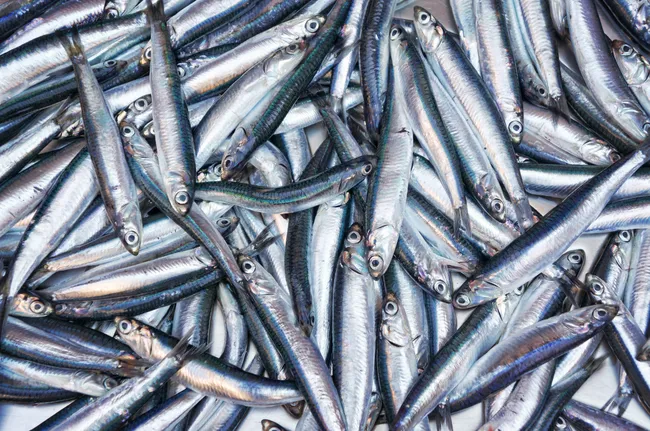
IFFO reports higher fishmeal and fish oil output through October 2025.
Global fishmeal and fish oil production increased year on year in the first three quarters of 2025, according to updated market intelligence from IFFO, the Marine Ingredients Organisation.
IFFO said cumulative fishmeal production reported by its members was up around 7% versus the same period in 2024 by October 2025, with higher output recorded across most regions. The organisation noted a year on year decline in the Iceland and North Atlantic area.
Cumulative fish oil output reported through October was up around 5% compared with January to October 2024. IFFO said most countries recorded higher production, with the exception of Peru, where lower oil yields in 2025 were cited as a key factor behind weaker performance.
The data is based on statistics shared by IFFO members in Chile, Denmark, the Faroe Islands, Iceland, Ivory Coast, Mauritius, Norway, the UK, the USA, Peru, South Africa and Spain. IFFO said this coverage represents around 40% of global fishmeal production and 50% of fish oil output.
In Peru, IFFO said the second fishing season in the North to Centre region was ongoing, with around two thirds of the 1.63 million metric ton quota completed. Dr Enrico Bachis, IFFO’s Market Research Director, said this supported IFFO projections of 5.4 million tons of fishmeal and 1.2 million tons of fish oil production for 2025.
IFFO also flagged demand trends in China, where it expects cumulative fishmeal consumption in aquaculture and pig farming to exceed 2024 levels. The organisation said domestic marine ingredient production in the final quarter of 2025 was limited and is not expected to surpass the 2024 estimate of 570,000 metric tons for the year.
According to the Ministry of Agriculture, domestic aquaculture production continued to grow through October across key farming regions, with activity concentrated in warmer provinces including Guangdong, Guangxi, and Hainan. IFFO said white leg shrimp cultivated in sheds and greenhouses remained a major farmed species supporting fishmeal demand, while colder regions had largely suspended aquaculture activities and reduced feed use.
In livestock, IFFO said pig and piglet prices remained subdued due to oversupply. While sow herd reductions by end October may tighten supply in 2026, the current piglet population remains above year earlier levels. IFFO said softer piglet demand has reduced commercial piglet feed production and weighed on fishmeal usage in recent weeks, but stronger demand in the first half of 2025 is expected to leave full year consumption above 2024.