

GoodLife shifts grow-out to phase two, accelerates production ramp in Nebraska.
GoodLife Agriculture has revised its construction plans for a proposed salmon project in Nebraska City, a move that could significantly increase annual production volumes compared with the company’s original proposal, city officials were told this week.
Project manager John Humphrey told Nebraska City commissioners on Monday that changes to the sequencing of construction would allow the company to scale production more quickly, according to local media reports. Under the revised plan, GoodLife now expects phase one of the project to support production of up to 20,000 tonnes of Atlantic salmon annually, compared with an initial estimate of 3,000 tonnes.
City approves loan for $190 million Nebraska land-based salmon project
The project was first announced in 2024 following the company’s experience growing salmon at a smaller farm in rural Nebraska City, where nutrient-rich water was also used for aquaponic vegetable production. A fire at that facility in 2024 destroyed the fish stock and prompted a reassessment of the development strategy.
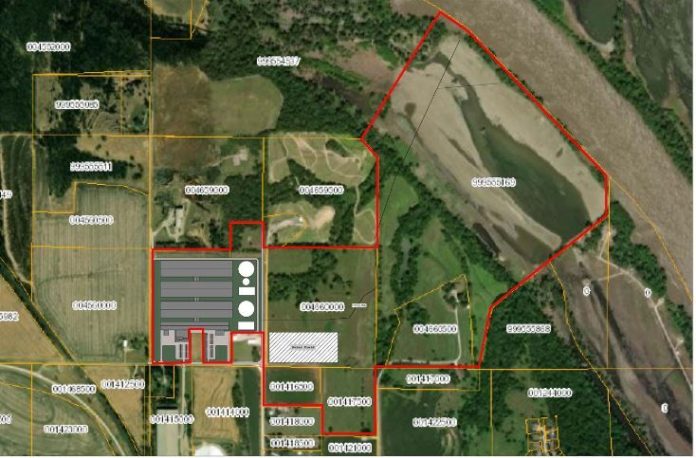
Rather than beginning with a grow-out facility, GoodLife now plans to construct a 250,000-square-foot building designed to accommodate two shifts of salmon production. The grow-out operation, which would involve raising fish on site, has been moved to phase two of the project.
Humphrey said the change would also simplify permitting requirements. “With the prior design when we were going to build a ‘grow out’ facility, we had to get permits from the Corps of Engineers for several items because the pipelines that would go down into the bottom ground would cross through a wetland. There were 404 permits because of discharge back into the river,” he said. “Since we’re not doing that now, we need to get a ‘no permit’ letter from the corps.”
Humphrey told commissioners the project is expected to employ 62 people initially. “If and when we go to two shifts, it would probably double that,” he said.