

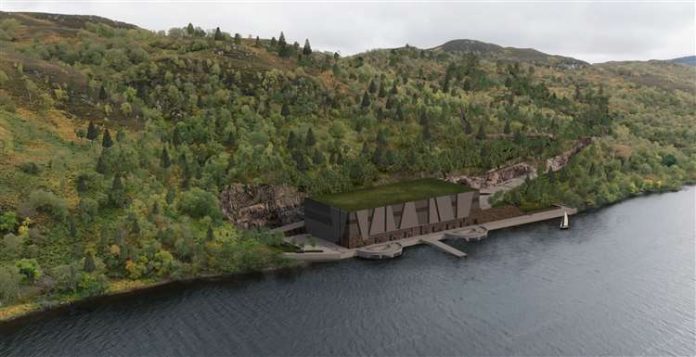
Wildlife groups raise concerns over Loch Kemp pumped hydro proposal.
Wildlife and conservation groups have raised concerns about the potential environmental impact of a proposed pumped hydroelectric storage scheme above Loch Ness, warning it could cause long-term damage to sensitive habitats and species.
According to the Inverness Courier, community organisations and national conservation bodies are opposing the Loch Kemp Pumped Hydro Scheme, located in the Great Glen above Loch Ness. The project is one of four existing or proposed hydro developments associated with the loch.
Groups including Buglife, the Boleskine Biodiversity Group, the British Lichen Society and the Ness District Salmon Fishery Board have expressed concerns about the effects of frequent and rapid fluctuations in water levels within Loch Ness.
They warn such changes could negatively affect aquatic invertebrates, disrupt migratory routes for Atlantic salmon, and increase the risk of juvenile European eels becoming trapped in water intake infrastructure.
The groups have also highlighted the potential loss of ancient semi-natural woodland associated with the development. They argue that the scheme would affect habitats described as irreplaceable, including areas within the Ness Woods Special Area of Conservation on the eastern shore of the loch.
Loch Ness is one of the UK’s largest freshwater bodies and supports a wide range of aquatic life. It plays a role in the life cycle of Atlantic salmon, which are classified as endangered in parts of their range, and the European eel, which is listed as critically endangered.