

A pilot study conducted at the Gildeskål Research Station suggests a light-based trapping system could significantly reduce sea lice infestations in farmed salmon without handling the fish.
According to the Norwegian Veterinary Institute, the LiceDefence system reduced sea lice infestation by an average of 44% when operated during a controlled small-scale trial at the GIFAS (Gildeskål Research Station) aquaculture facility.
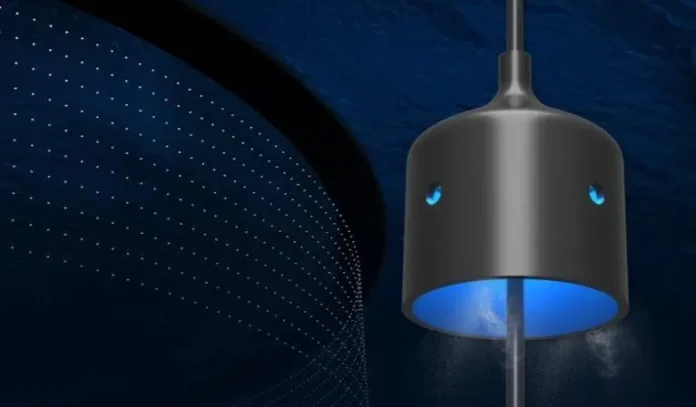
The technology uses light to attract sea lice larvae into traps positioned around the perimeter of sea cages. Once inside, the lice are killed by chlorine compounds generated through the electrolysis of seawater. The system is designed to act as a preventative measure by targeting lice in the water column before they attach to fish.
“These results show that it may be possible to reduce sea lice infestation using a gentle and preventative technology,” said researcher Lars Qviller of the Norwegian Veterinary Institute.
“At the same time, we emphasise that these findings come from small-scale trials, and the effect must be documented further under commercial farming conditions.”
The Veterinary Institute said the reduction in lice infestation was statistically significant and consistent across the analyses carried out during the trial. Blood analyses conducted on the fish found no indication of increased stress or physiological burden under the test conditions.
Researchers cautioned that the technology now needs to be evaluated at commercial scale, where larger cage dimensions and more variable environmental conditions could affect performance. They also recommended more comprehensive studies of potential physiological effects, noting that the health assessments in the current trial were limited.
The Veterinary Institute was responsible for the trial design and data analysis, including the development of treatment and control protocols. Project partners and personnel at the GIFAS research station carried out the concept development, data collection and laboratory work.
The LiceDefence technology was developed through an industry innovation project funded by the Research Council of Norway.