

The Institute of Marine Research says sea trout can pick up S. salmonicida and transmit it to salmon, where the parasite can trigger systemic disease and mortality.
Sea trout can carry the parasite Spironucleus salmonicida without becoming ill, but may transmit it to farmed Atlantic salmon where it can cause severe disease and mortality, Norway’s Institute of Marine Research (HI) said in a new report published on December 15.
The work follows a major outbreak of spironucleosis at salmon farming sites in Finnmark in 2022. HI said outbreaks are infrequent but can have significant welfare and financial impacts, with the most recent outbreak estimated to have cost around NOK 1 billion ($97 million).
According to HI researcher Bjørn Olav Kvamme, trials showed sea trout could become infected but cleared the parasite relatively quickly and did not develop disease. In contrast, salmon exposed to the parasite developed infections that in some cases progressed beyond the gut into the bloodstream, with systemic disease affecting multiple organs and causing abscesses and lesions. HI said there is currently no treatment.
The institute said transmission routes in the sea remain unclear. While the parasite can spread through water, HI said it is also found naturally in some wild fish species, and the study aimed to assess whether wild fish could act as carriers contributing to spread.
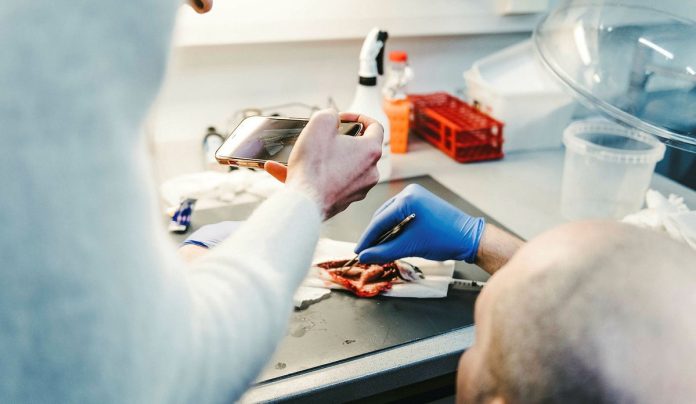
In the experiments, salmon and trout were first exposed to parasite cultures linked to the Finnmark outbreak, then placed with unexposed salmon or trout. HI said that after four weeks, 70 to 90 percent of exposed salmon had parasites in their blood, while few trout were infected and none became sick. By week 17, none of the exposed trout still carried the parasite, while a number of salmon showed organ damage.
HI said the trials also indicated two-way transfer between the species, with trout able to acquire the parasite from salmon and transmit it to previously uninfected salmon. The institute said further research is needed to improve preparedness, including mapping where the parasite occurs and how it spreads.
The study forms part of the SpiroFri project funded by the Fisheries and Aquaculture Industry Research Fund (FHF), with partners including Nofima, the Norwegian Veterinary Institute, Grieg Seafood, Uppsala University and HI.