

Study flags potential demand shift that could affect UK salmon consumption.
A new consumer study from the University of East Anglia suggests that a growing willingness among UK consumers to experiment with locally caught fish species could have longer-term implications for demand patterns in the seafood market, including salmon.
The research indicates that more than 40 per cent of UK consumers are willing to try fish they have never eaten before, with small pelagic species such as sardines, sprats and anchovies identified as potential substitutes for imported seafood.
According to the study, more than 80 per cent of seafood consumed in the UK is imported, while much of the fish landed in British waters is exported. Researchers argue that this dynamic has contributed to a narrow domestic consumption profile dominated by cod, haddock, salmon, tuna and prawns.
Lead researcher Dr Silvia Ferrini of UEA’s School of Environmental Sciences said: “Despite an abundance of fish species in British waters, more than 80 per cent of the seafood we eat here in the UK is imported.
“And much of the fish caught in local seas, including Cornish sardines and anchovies, is exported, instead of ending up on British dinner tables.”
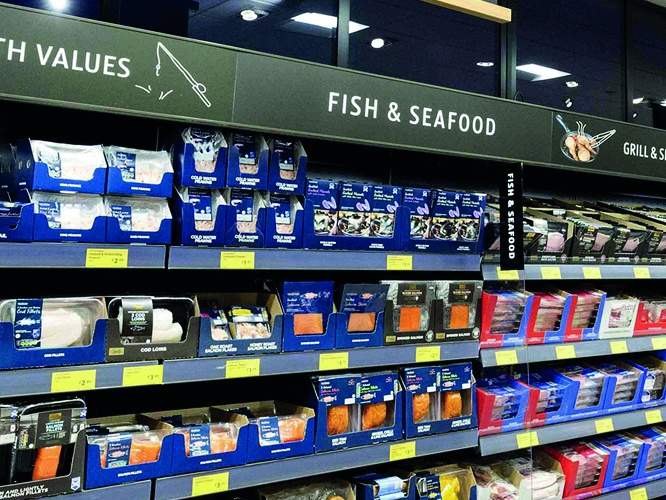
Supermarket sales data analysed as part of the study showed that consumer purchasing remains heavily concentrated around a limited number of species, with salmon continuing to play a central role in UK seafood consumption. However, the findings suggest that rising interest in locally sourced alternatives could gradually broaden that mix.
The research found that familiarity with small pelagic species remains low. Fifty-eight per cent of respondents had never tried sprats, 28 per cent had never tried anchovy, 23 per cent had never tried herring and 12 per cent had never tried sardines. Among those who had tried them, a minority reported disliking the species.
Despite this, up to 41 per cent of respondents said they would be willing to try species such as sprats, sardines or flatfish, particularly if they were fresh, locally sourced and reasonably priced.
The study also highlighted a generational divide, with younger adults consuming less seafood overall and expressing less confidence in preparing fish. Researchers warned that this could influence long-term demand across all seafood categories if not addressed.
“One practical solution is introducing British fish into school meals, helping children develop healthy habits early and giving families the confidence to diversify their diets,” Ferrini said.
The report trialled a proposed “Pyramid Fish” sustainability label and found that most consumers viewed it as easy to understand and helpful when choosing between species. Researchers suggested clearer sustainability messaging and origin labelling could influence purchasing decisions at the retail level.
Dr Bryce Stewart, Senior Research Fellow at the Marine Biological Association and scientific reviewer of the report, said: “The UK’s current reliance on a small range of seafood types, mostly imported, risks food security and disconnects the public from its rich maritime heritage.”
The research forms part of the CSERGE Pyramids of Life programme and was funded by UK Research and Innovation’s Sustainable Management of UK Marine Resources initiative.