

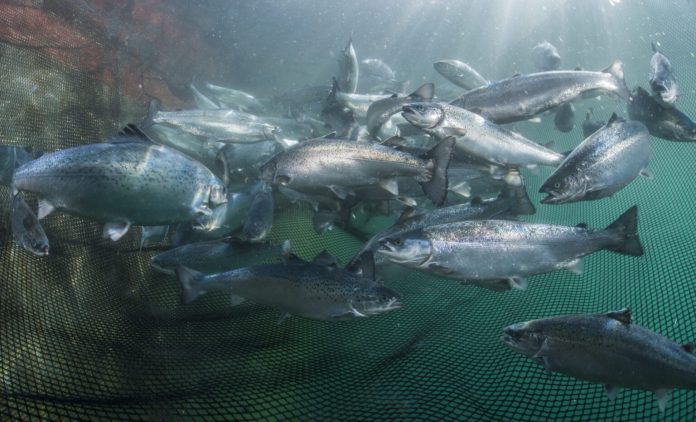
Higher dietary levels of EPA and DHA were associated with improved feed conversion and lower harvest defects in Chilean Atlantic salmon farming, according to a commercial-scale study released by Veramaris.
The analysis used production data from 151 farms in Chile’s Los Lagos and Aysén regions, covering approximately 143 million fish and 464,000 fillet observations across 2023 and 2024 production cycles.
Fish fed diets containing EPA and DHA above 7.2% of total fatty acids showed improved biological feed conversion ratio compared with fish receiving less than 6.2%, the company said. Gains were more pronounced at sites experiencing higher mortality pressure.
The study also linked higher EPA and DHA inclusion to lower melanosis, a quality defect that can reduce fillet value. Farms in the higher inclusion category recorded melanosis prevalence of 4.9%, compared with 15.5% in the lower category.
Severe melanosis cases were 4.7% in the higher inclusion group versus 15.2% in the lower group, according to the study.
Veramaris said the most favourable outcomes were achieved when higher EPA and DHA inclusion was combined with a lower omega-6 to omega-3 ratio.
The company said the findings supported feed formulation strategies aimed at improving production efficiency, harvest quality and resilience under commercial farming conditions.
Veramaris produces algae-based omega-3 ingredients for aquafeed and pet food markets.
Read the full paper here.