

Lawmakers call for transparency after NGO funding report.
A television investigation aired by Televisión Nacional de Chile (TVN) has triggered political reaction in Chile after reporting that Norwegian NGO Norwegian People’s Aid provided funding to Indigenous coastal communities involved in legal processes affecting salmon farming projects.
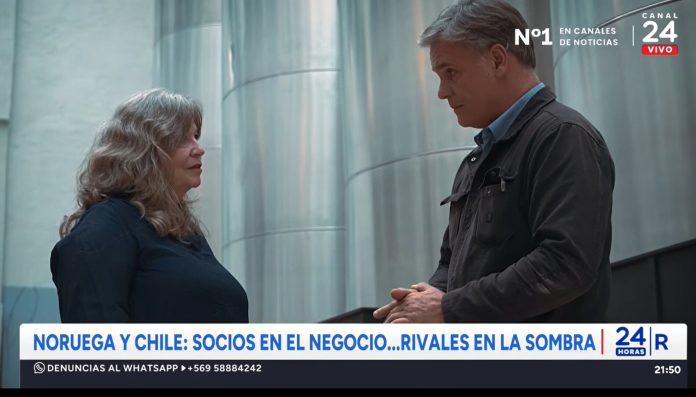
The report, broadcast on TVN’s 24 Horas news programme under the title “Chile, Noruega y el salmón: cooperación en superficie, guerra bajo el agua,” said around CLP 500 million (USD $550,000) had been provided to Lafkenche communities.
Those communities have submitted applications under Chile’s ECMPO system, a legal framework created by the so-called Lafkenche Law that allows Indigenous groups to request coastal marine areas for customary use. While such claims are under review, new aquaculture developments in those areas can be delayed or blocked.
The investigation suggested that some of the funded communities have active ECMPO processes affecting areas used by the Chilean salmon farming industry.
Beathe Torensen, Latin America head at Norwegian People’s Aid, said in the report that the organisation does not see a conflict of interest in providing the funding.
The programme also highlighted concerns among Chilean political figures about the impact of ECMPO applications on aquaculture development.
Former Chilean president Eduardo Frei Ruiz-Tagle said the Lafkenche Law has allowed Indigenous communities to request large coastal areas that have effectively halted economic activity, including salmon farming.
Former senator Guido Girardi said in the report that the funding raised questions about possible foreign influence affecting Chile’s aquaculture sector.
The report also cited comments from Steven Rafferty, chief executive of Cermaq, who argued that Chile’s salmon industry could expand significantly if regulatory barriers were reduced.
Lawmakers have since called for greater transparency around foreign funding to NGOs and community organisations involved in coastal claims affecting aquaculture projects.
Deputy Mauro González, a member of Chile’s Fisheries and Aquaculture Commission, said the situation should be investigated and that legislation may be needed to require NGOs to disclose funding received from abroad.
The issue has also been raised by Puerto Montt mayor Rodrigo Wainraihgt, who said Chile’s salmon sector already faces significant regulatory hurdles and that the use of ECMPO claims has contributed to delays in industry development.
Chile is the world’s second-largest producer of farmed Atlantic salmon after Norway, and regulatory constraints on sector growth have become an increasingly contested issue within the country’s aquaculture debate.