
Plans for what will become England’s first land-based Atlantic salmon farm have been approved by Wiltshire Council.
The project will be developed by Avon Valley Salmon at Trafalgar Fisheries near Downton in southern England, approximately 15 kilometres south of Stonehenge and far from the traditional centres of UK salmon production in Scotland.
Avon Valley Salmon, formerly known as Cold Water Salmon, is part of a group of land-based salmon farming ventures established by entrepreneur Julian Connor, founder of Swiss Lachs, Switzerland’s first land-based salmon producer.
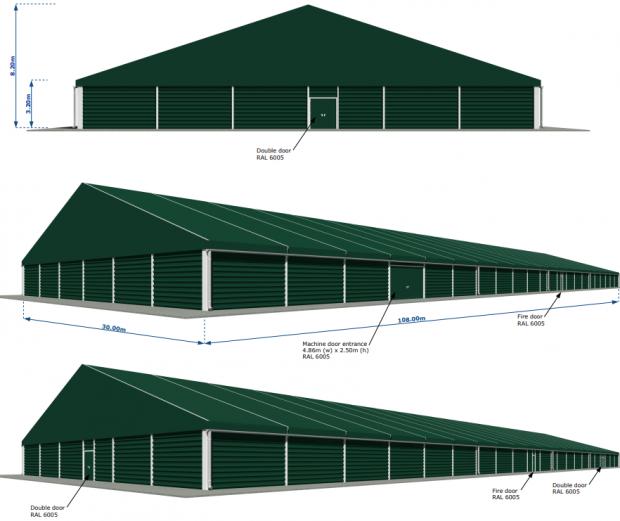
Planning permission allows the installation of a 3,240-square-metre steel and PVC canopy over existing fish ponds at the site. The facility will use recirculating aquaculture system (RAS) technology, LED lighting and controlled water conditions to raise Atlantic salmon entirely on land, the Salisbury Journal reported.

The approval is subject to a temporary five-year consent, after which the site must be restored unless further planning permission is granted.
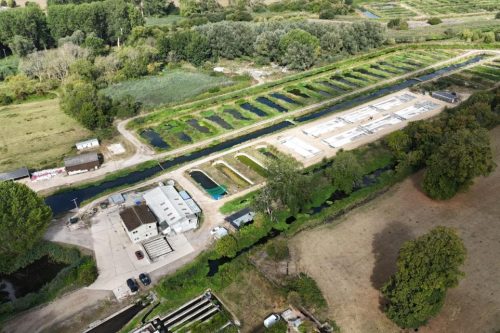
The 25-hectare site has historically been used for trout production but ceased operations last year before being taken over by Avon Valley Salmon.
According to planning documents cited by the Salisbury Journal, the canopy will allow operators to control light and water conditions while reducing the risk of contamination from bird droppings.
Wiltshire Council concluded that the project would not adversely affect the nearby Hampshire Avon, a protected chalk stream that supports wild Atlantic salmon populations, subject to mitigation measures identified during the planning process.
Founder Julian Connor said the project would reduce water and energy consumption compared with the site’s previous use, according to the Salisbury Journal.
Initial production is expected to be around 240 tonnes annually, making the facility small by global salmon farming standards but potentially significant as a proof of concept for local land-based production in England.