




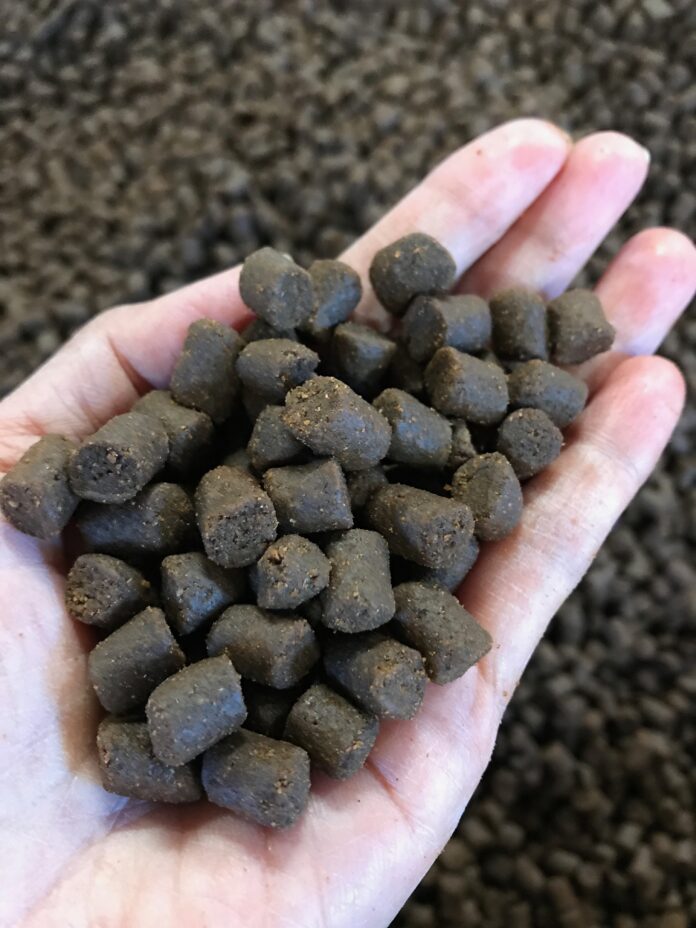
A new study led by researchers at University of Stirling has found that changes in aquafeed composition over the past two decades have significantly reshaped the environmental footprint of European aquaculture, reducing reliance on wild-caught fish while increasing impacts across several other environmental indicators.
The research, led by Björn Kok and Dr Wesley Malcorps of the university’s Institute of Aquaculture, examined developments between 2000 and 2020 and found that the European aquaculture sector cut its overall use of wild-caught fish in feed by 13%, despite nearly doubling in production over the same period. Growth was largely driven by the expansion of Atlantic salmon farming in Norway.
While lower inclusion of fishmeal and fish oil has reduced dependence on marine resources, the study found that total environmental impacts increased substantially. Over the period analysed, greenhouse gas emissions associated with aquafeed rose by 314%, land use by 594%, and water consumption by 236%. Marine eutrophication increased by 630%, while freshwater eutrophication rose by 468%.
The study applied Index Decomposition Analysis, a method that separates the influence of different drivers, including sector growth, efficiency improvements, and ingredient substitution. The authors concluded that the shift from marine ingredients towards plant-based alternatives, particularly soy protein concentrate and rapeseed oil, was the main factor behind the rising environmental footprint of feed use.
According to the researchers, other variables, such as changes in species composition and improvements in feed conversion efficiency, had little effect on overall environmental outcomes.
On a per-kilogram basis, wild fish use in European aquaculture fell by 59%. However, this reduction was accompanied by increases in greenhouse gas emissions of 103%, land use of 336%, and water consumption of 65%. Marine eutrophication increased by 285%, and freshwater eutrophication by 167%.
Kok said that an overreliance on single sustainability indicators can distort assessments of aquaculture performance.
“Reducing dependence on marine resources has been treated as the main environmental sustainability goal in aquaculture. However, if environmental sustainability assessments focus on a single headline metric, they risk telling an incomplete, and sometimes misleading, story. We need a comprehensive view on environmental sustainability,” he said.
Malcorps added that greater use of fish processing by-products could help improve outcomes, given their nutrient density and comparatively low environmental footprint. He also noted that novel feed ingredients show long-term potential but currently face constraints related to cost, scale, and consistency.
The study was conducted in collaboration with Blue Food Performance Ltd, the University of Zurich, and Utrecht University. It is published in Journal of Cleaner Production under the title Sustainable aquafeed? The devil is in the detail.
