




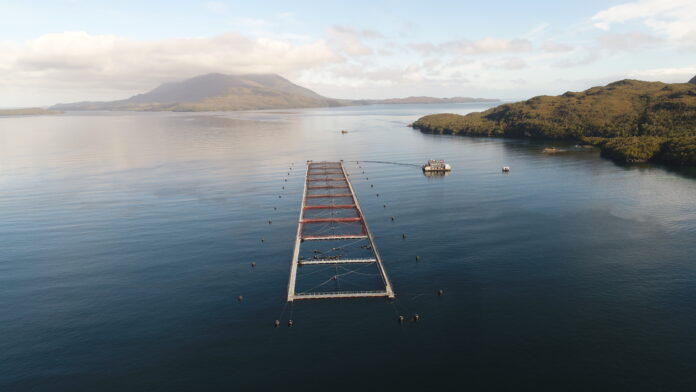
Chile’s Ministry of Finance has moved to unblock around 200 suspended aquaculture concession relocations under its proposed “National Reconstruction” bill, in a step that could release projects delayed for more than a decade.
Regional authorities in Los Lagos and industry participants have backed the measure, describing it as a potential catalyst for renewed investment and a way to ease structural constraints on sector growth.
The policy centres on relocating farms away from areas with accumulated environmental pressure, including nutrient loading and historical antimicrobial use, towards sites considered more resilient.
Researchers say the overall direction is sound, but caution that successful relocation depends on significantly stronger environmental data and monitoring frameworks. Key variables include water temperature, oxygen levels, salinity, nutrient dynamics, algal activity, hypoxia risk and seabed conditions, as well as forward-looking climate projections.
Each relocation will still require environmental approval for the receiving site. Sector specialists also point to the need for better tools to assess cumulative impacts at an ecosystem level, rather than focusing solely on individual farm compliance.
Current monitoring systems remain limited in their ability to track nutrient flows and broader ecological interactions beyond farm sites, highlighting a gap in the regulatory and scientific framework.
That gap is increasingly seen as an area for potential public–private collaboration, particularly in developing technologies and data systems to support more sustainable production.
The bill’s progress through Chile’s legislature will determine the pace at which the relocations can proceed.
