

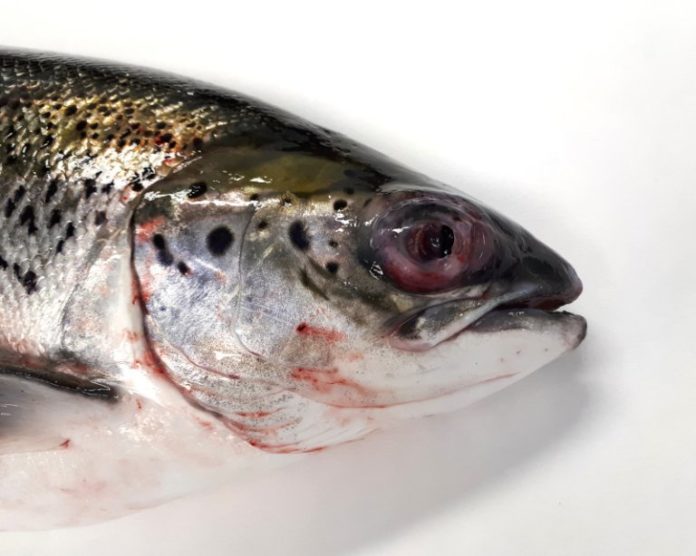
Norway’s Food Safety Authority (Mattilsynet) has proposed listing pasteurellosis as a category F disease under national animal health regulations, citing expanding outbreaks beyond its traditional stronghold on the west coast.
Mattilsynet’s proposal, now out for public consultation, covers three changes to the animal health regulations. Pasteurellosis would be listed as category F, with Atlantic salmon, lumpfish, and wrasse designated as susceptible species.
The authority also proposes listing ILAV HPR0 as category G. HPR0 does not cause disease but is considered the precursor to pathogenic ISA virus, making its presence a risk factor. Atlantic salmon, trout, and rainbow trout are listed as susceptible.
For furunkulosis, already in category F, turbot, lumpfish, and wrasse would be added as susceptible species alongside salmonids.
Pasteurellosis causes eye infections, bloody abscesses in skeletal and cardiac muscle, and internal haemorrhaging in salmon. In lumpfish, white patches around the eyes and skin haemorrhaging are typical signs.
The disease has been notifiable but not formally listed. Category F diseases are those not considered a problem in the EU but capable of causing serious harm to aquatic animals in Norway. Bacterial kidney disease, sea lice, and pancreatic disease share the same classification.
Outbreaks were historically concentrated in western Norway. In 2024 and 2025, multiple cases emerged in northern Trøndelag, with isolated incidents reaching the Andfjorden-Senja area — a geographic expansion that appears to have driven the regulatory review.
The consultation deadline is 31 August. If adopted, the changes would give authorities formal tools to manage and track these diseases under a structured national framework.