




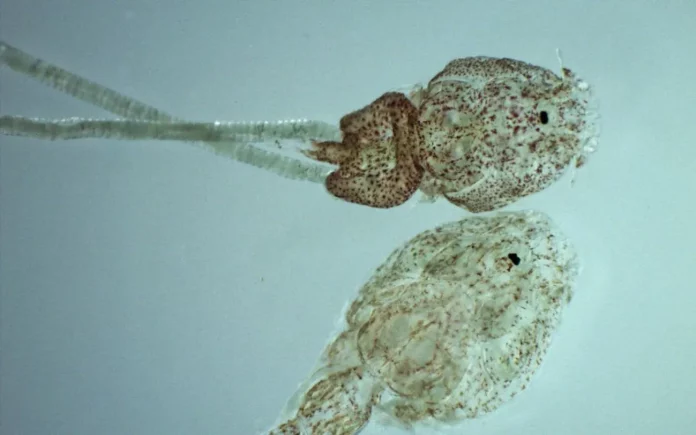
Researchers at Havforskningsinstituttet (HI) have identified sea lice treatment as a central driver of salmon mortality in Norwegian aquaculture, as debate continues over feasible mortality targets for the sector.
In a commentary published on the organisation’s website, research director Geir Lasse Taranger and research manager Lars Helge Stien said mortality has averaged around 17% per generation in recent years, equivalent to roughly 64 million fish for the most recently harvested cohort.
The Norwegian government has set a target of reducing mortality to 5%, a level that industry leaders including SalMar and Mowi have described as difficult to achieve, citing biological variability and environmental risk factors.
HI said external events such as harmful algal blooms, jellyfish incursions and marine heatwaves can explain year-on-year variation in mortality and are likely to become more frequent.
However, the researchers pointed to delousing operations as a key operational factor. The shift from pharmaceutical treatments to mechanical and thermal methods in recent years has increased handling of fish, which they said may contribute to higher mortality, particularly in larger fish.
“Treatment against sea lice is probably the most important reason for the high mortality we have seen in recent years,” the researchers wrote.
HI also linked lice pressure and infection risk to production intensity, noting that higher biomass and longer time at sea increase exposure.
The institute said improved prevention of lice infestation, including greater use of closed or submerged systems and reduced time in open cages, could contribute to lower mortality. Changes to site structure and stocking strategies were also identified as potential measures.
The discussion comes as regulators and industry continue to assess how to balance production growth with biological constraints and operational risk.
