




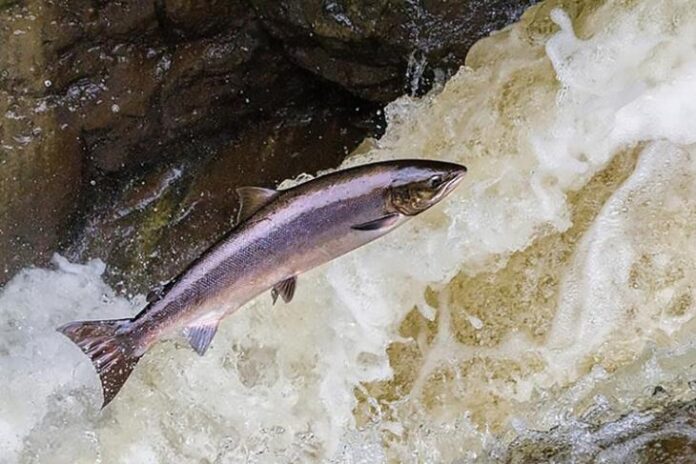
Atlantic salmon exposed to cocaine in freshwater conditions swam significantly longer distances than unexposed fish, according to a study by researchers from Griffith University and Swedish University of Agricultural Sciences.
The research tracked 100 wild Atlantic salmon in Lake Vättern after exposure to cocaine and benzoylecgonine, a metabolite produced when the drug is processed in the liver.
Researchers found salmon exposed to cocaine travelled 1.9 times further per week than the control group. Fish exposed to benzoylecgonine also migrated 12.3 kilometres further upstream, according to the study.
The authors said rising concentrations of illicit drugs and pharmaceutical residues in waterways could alter animal behaviour and create wider ecological risks.
“Any unnatural change in animal behavior is a concern,” said Marcus Michelangeli of Griffith University’s Australian Rivers Institute in comments reported by ABC News Australia.
Michael Bertram of the Swedish University of Agricultural Sciences said the findings highlighted the need for improved wastewater treatment and environmental monitoring.
The study adds to a growing body of research examining how trace contaminants in rivers and lakes may affect fish migration, feeding behaviour and reproductive success.
