




Researchers are calling for the Norwegian salmon farming industry to phase out the use of cleaner fish by 2029, citing poor welfare outcomes and uncertain efficacy at commercial scale.
The recommendation is set out in a new review published in Aquaculture Environment Interactions, authored by researchers from Deakin University, Havforskningsinstituttet and Veterinærinstituttet.
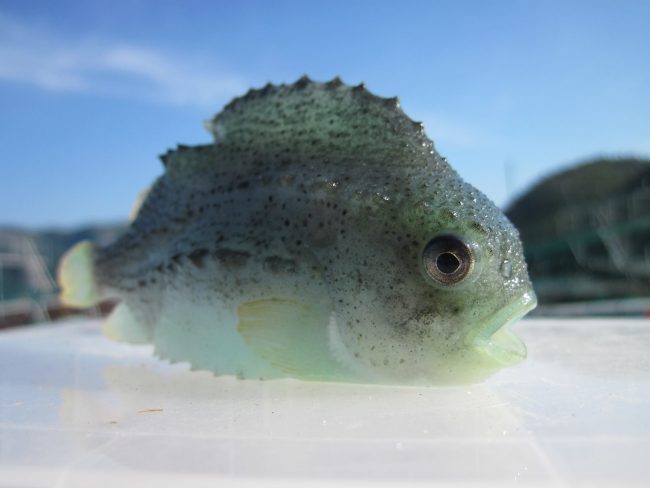
Cleaner fish, including lumpfish and wrasse species, have been widely used in salmon farming to control sea lice. However, the researchers conclude that the method was scaled up on the basis of limited evidence.
“Cleaner fish were adopted at large scale based on insufficient knowledge,” said Frode Oppedal, adding that early small-scale trials showed promise but did not adequately account for welfare impacts.
The study finds that only a minority of cleaner fish actively consume lice, with performance varying significantly by species, site and environmental conditions.
“Only a small proportion of cleaner fish actually eat lice, and the effect varies greatly,” said Kathy Overton, lead author of the review.
Welfare concerns are central to the findings. High mortality rates, disease and poor adaptation to sea-cage conditions are cited as persistent challenges. Previous estimates suggest tens of millions of cleaner fish die annually in Norwegian aquaculture.
The use of cleaner fish has already declined in recent years. Deployments peaked at more than 60 million fish in 2019, but fell to around 22.5 million in 2024, according to data from the Norwegian Directorate of Fisheries. Reported mortality totalled 12.7 million fish in 2025.
The researchers recommend phasing out lumpfish and wild-caught wrasse by 2029. For farmed ballan wrasse, they say continued use should depend on demonstrating clear efficacy at commercial scale and reducing mortality to around 5% within the same timeframe, a target they consider unlikely to be met.
Cleaner fish were first introduced in the 1980s and became widely used as chemical treatments lost effectiveness due to resistance. More recently, alternative lice control methods, including mechanical treatments and barrier technologies, have reduced reliance on biological control.
The authors conclude that the rise and decline of cleaner fish highlights the risks of deploying new technologies at scale without sufficient evidence on performance and welfare.
