




Global marine ingredients output shows modest growth in 2025
Global production of fishmeal and fish oil showed a positive trend through most of 2025, supported by strong landings in Peru and higher output across several producing regions, according to market data from IFFO.
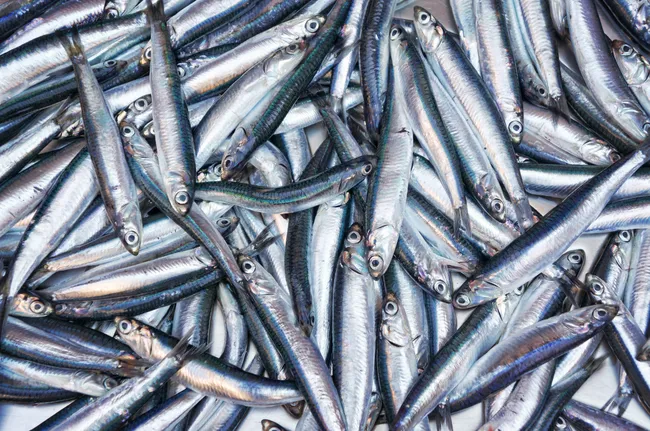
In Peru, the second fishing season in the North–Centre region ended with the anchoveta fleet landing almost the full 1.63 million metric tonne quota. IFFO said that while full-year data has yet to be confirmed, total 2025 production of fishmeal and fish oil is expected to be slightly lower than in 2024.
By November 2025, cumulative global fishmeal production was up around 2% year on year, driven by increased output in most regions. Declines were reported in African producing countries and in Iceland and the wider North Atlantic region. Over the same period, cumulative fish oil production rose by approximately 7% compared with 2024, with most countries recording growth. Peru was an exception, reflecting lower oil yields during the year.
The data is based on production statistics reported by IFFO members, representing around 40% of global fishmeal output and 50% of global fish oil production.
In contrast, marine ingredients production in China was significantly lower in 2025, with fishmeal and fish oil output projected to fall by 20% to 30% compared with 2024. IFFO said higher costs and weaker profitability continue to constrain domestic production, with limited scope for recovery before the end of the current season in April 2026.
Lower domestic supply has driven higher imports, with China’s fishmeal imports rising by around 5% in 2025 compared with the previous year. Peru, Vietnam and Chile were the main suppliers. Demand from China’s aquaculture sector is expected to increase gradually ahead of the March–April 2026 season, supported by continued growth in domestic production, particularly in white-leg shrimp farming in southern provinces.
IFFO also noted that recent increases in soybean meal and corn prices, driven by stronger feed demand, could influence raw material substitution dynamics in the months ahead.
