




Salmon heads and bones could be healthier than fillets, study suggests.
Fish products made from filleting by-products such as bones, heads and fins may contain higher levels of certain nutrients than conventional fillet-based products, according to an analysis carried out by Finnish food technology company Hailia.
Based on the company’s internal analysis, ready-to-eat salmon products produced from by-products showed substantially higher levels of calcium, marine collagen, iron and zinc per 100 grams when compared with fillet products from farmed salmon. The data also indicated higher levels of vitamin D and omega-3 fatty acids.
Hailia said the higher calcium and vitamin D content is linked to the inclusion of bone and cartilage in the raw material. These components are largely removed during conventional filleting but remain present in products made from by-products.

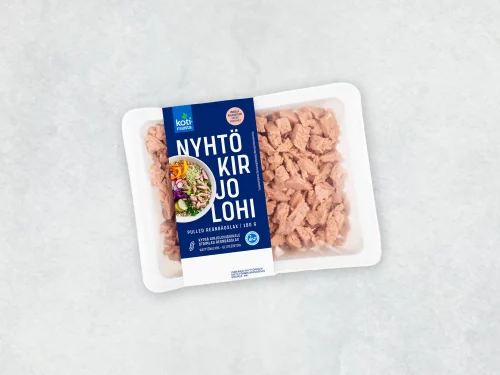
The company also reported higher levels of marine collagen in these products, with up to two grams per serving in some cases. This is higher than levels typically found in fillet products and broadly comparable to quantities used in some dietary supplements. Demand for marine collagen has increased in recent years, particularly in the beauty and wellness segments.
Hailia noted that most commercially available collagen supplements are produced from fish skin and scales that are often processed separately from food production. It said its findings suggest that filleting by-products such as heads and bones contain naturally occurring collagen and other nutrients that could be incorporated directly into food products.
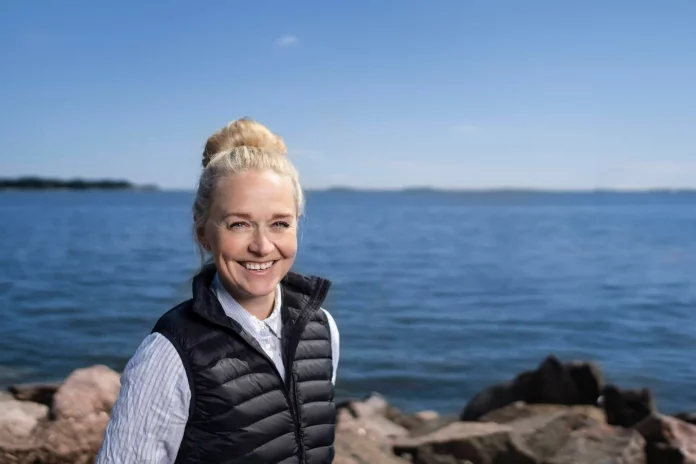
Chief executive Michaela Lindström said the analysis supports the view that by-products can play a greater role in food production, both from a nutritional and a raw material utilisation perspective.
The data also showed higher iron levels in products made from by-products compared with fillet products. Iron deficiency is widely recognised as a common nutritional issue globally, and Hailia said seafood products with naturally higher iron content could be relevant in that context.
Hailia develops processing technology designed to convert fish by-products into ready-to-use food products. The company said the approach could allow seafood producers to generate additional value from raw materials that are currently more commonly used for animal feed, oils or health products.
Chief technology officer and co-founder Otto Kaukonen said the technology reflects a broader industry focus on improving utilisation of the whole fish.
Hailia is based in Karkkila, Finland, and operates within the Nordic seafood sector.
