Policy – July 8, 2026
Wild salmon: disease probe gets boost from aquaculture technology

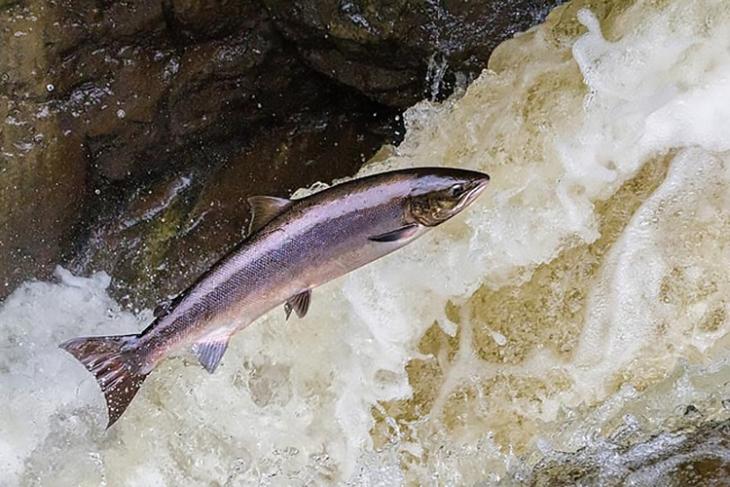
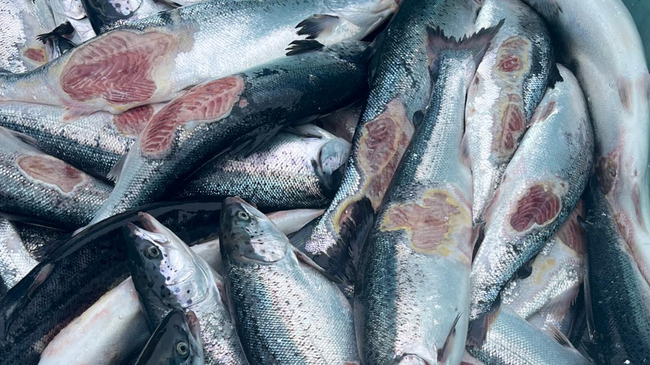
Researchers have launched a pilot project to investigate a mysterious skin disease affecting wild Atlantic salmon by adapting non-invasive testing methods originally developed for the aquaculture industry.
The study centres on Red Skin Disease (RSD), a poorly understood condition that has caused repeated outbreaks in the Enningdalselva, a river in southeastern Norway, since 2019.
Led by Salmax Research, the project will test whether skin and gill swabs can be collected from wild salmon by recreational anglers during catch-and-release fishing, avoiding the need to kill fish for tissue or blood samples.
Researchers will also analyse water samples using technology developed by Biocell Analytica, which measures the combined toxic effects of pollutants rather than searching for individual chemicals. The aim is to determine whether environmental stress from agricultural runoff, historic industrial pollution or other contaminants could be weakening salmon and making them more vulnerable to infection.
The project builds on work by Norwegian University of Life Sciences and laboratory trials by ILAB, which recreated the disease using a combination of the bacterium Aeromonas and the water mould Saprolegnia.
Alongside investigating the cause of the disease, researchers will assess whether sports anglers can reliably collect samples under real fishing conditions, potentially providing a cheaper and less invasive way to monitor the health of wild salmon populations.
The pilot is funded by Halden Municipality and the local water management authority.